The moon by the calendar: phases, names, and seasonal observance
The astronomy of the phases on a 29.5-day cycle, where the full-moon names really come from (largely 1930s US almanacs), and marking the lunar month as observance.
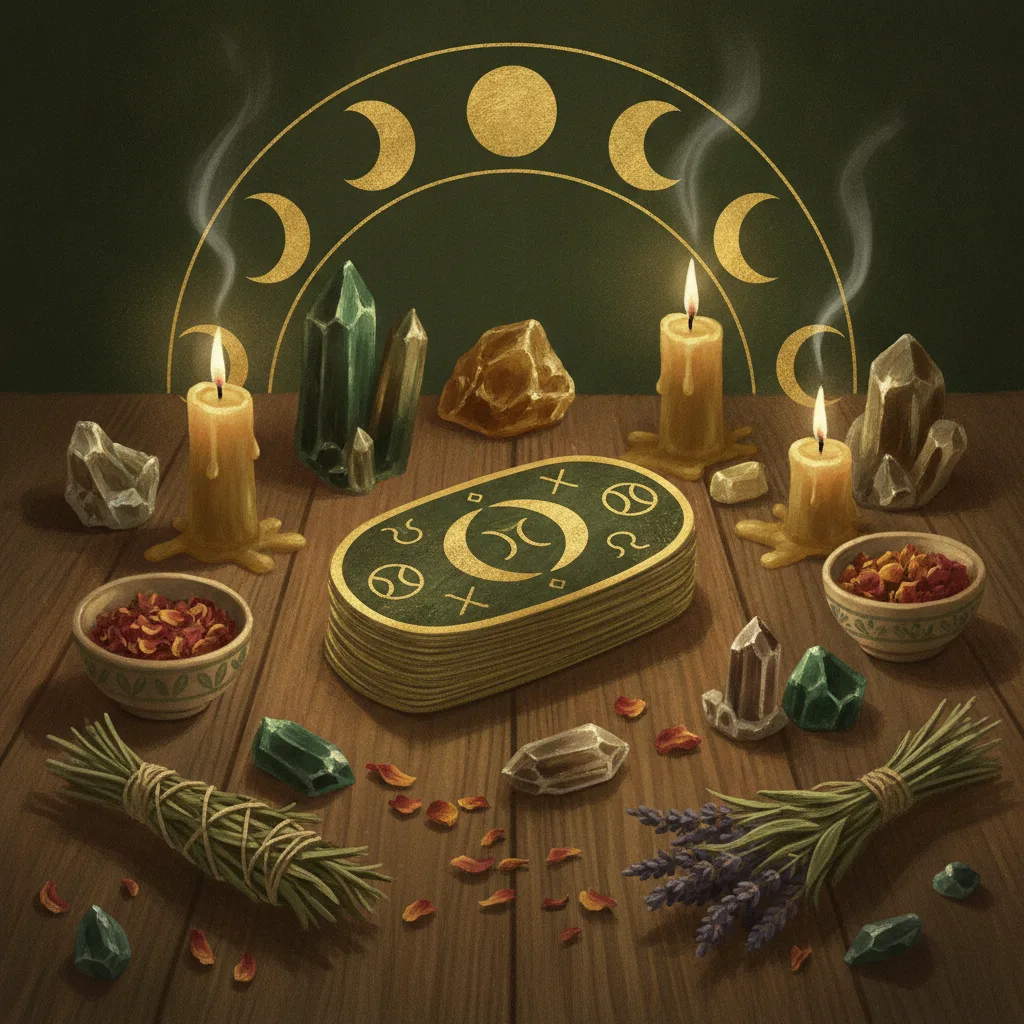
The moon's phases are basic astronomy on a 29.5-day synodic cycle, from new to full and back. ‘Harvest’ and ‘Hunter's’ Moon are genuinely old English terms, but the tidy twelve-name list is a 1930s-onward American almanac product, and ‘supermoon’ was coined in 1979. Mark the cycle by observing and naming it accurately.
- Phases follow a 29.5-day synodic cycle of reflected sunlight.
- ‘Harvest’ and ‘Hunter's’ Moon are genuinely old English names.
- The full twelve-name moon list is a 1930s American almanac construction.
- ‘Blue moon’ and ‘supermoon’ are catchy modern terms.
- Observance here is skywatching and accurate naming, nothing supernatural.
The moon is the one celestial clock everyone can read with the naked eye. It changes shape night by night on a dependable schedule, and for as long as there have been calendars, people have used it to mark time and to name the seasons. This is a plain guide to the lunar cycle: the astronomy of the phases, where the popular “full moon names” actually come from (the honest answer is less ancient than the internet suggests), and how people mark the cycle as observance — noticing and naming, not claiming any effect.
The astronomy: why the moon has phases
The moon does not produce its own light; it reflects sunlight. The phases are simply the changing slice of the moon’s sunlit half that we can see from Earth as the moon orbits us. When the moon sits roughly between Earth and the Sun, its lit side faces away from us and we see the new moon (effectively invisible). When Earth sits between the Sun and moon, the full sunlit face turns toward us: the full moon.
One complete cycle from new moon to new moon — the synodic month — averages about 29.5 days (roughly 29 days, 12 hours, 44 minutes). That is slightly longer than the moon’s actual orbit around Earth, because Earth is also moving around the Sun, so the moon has to travel a little farther each cycle to return to the same position relative to the Sun. The familiar eight phases run in order:
- New moon — the disc is unlit from our view.
- Waxing crescent — a growing sliver, visible in the west after sunset.
- First quarter — half-lit and growing; despite the name, we see half the disc.
- Waxing gibbous — more than half, still growing.
- Full moon — the whole face is lit; rises around sunset.
- Waning gibbous — more than half, now shrinking.
- Last (third) quarter — half-lit and shrinking.
- Waning crescent — a thinning sliver before the next new moon.
“Waxing” means growing toward full; “waning” means shrinking toward new. A simple sky habit: a waxing crescent is lit on the right in the Northern Hemisphere and sits in the evening sky; a waning crescent is lit on the left and appears before dawn.
The full-moon names — and their real origins
You have surely seen the lists: Wolf Moon in January, Snow Moon in February, Worm Moon, Pink Moon, Flower Moon, Strawberry Moon, Buck Moon, Sturgeon Moon, Harvest and Hunter’s Moon, Beaver Moon, Cold Moon. These are widely presented online as timeless “Native American moon names,” and it is worth being honest and careful about where they actually come from.
Some seasonal moon-naming is genuinely old and European. Harvest Moon — the full moon nearest the autumn equinox — is a longstanding English term with a real observational basis: around the equinox the full moon rises only a little later each night for several nights, giving farmers extra evenings of bright light to bring in crops. The following month’s Hunter’s Moon is likewise an established traditional name.
The full set of twelve tidy names, however, is largely an American almanac construction. The Maine Farmers’ Almanac began publishing lists of “Native American” full-moon names in the 1930s, and the widely quoted list was popularised through twentieth-century almanacs from there. The names draw on a mixture of genuine Algonquian and other Indigenous seasonal terms, colonial-settler usage, and editorial tidying — flattened into one neat month-by-month table that no single culture ever used. Indigenous North American peoples are many nations with many languages and many different lunar calendars; a single canonical list of twelve English moon-names is a modern almanac product, not a pan-tribal tradition. The names are charming and often descriptive of the season, and there is no harm in enjoying them — as long as we date and attribute them honestly rather than repeating “ancient Native American” as a blanket label.
Blue moons and supermoons
Two other popular terms deserve honest framing. A “blue moon” in modern usage means either the second full moon in a calendar month or the third of four full moons in a season; it is a calendar quirk, not a colour, and the popular monthly definition actually spread from a 1940s magazine misreading of an older almanac rule. A “supermoon” is a full (or new) moon that happens near perigee, the moon’s closest point to Earth, making it appear marginally larger and brighter. The word is not an astronomical term of long standing: it was coined by the astrologer Richard Nolle in 1979 and only later adopted by the press and by astronomers as convenient shorthand. Both are real, observable phenomena with catchy modern names.
Marking the cycle as observance
Across cultures and centuries, people have marked the lunar cycle in countless ways: lunisolar calendars that keep months in step with the moon while correcting to the solar year (as in the Hebrew and traditional Chinese calendars), festivals timed to the full moon, and the simple folk habit of naming each month’s moon after what is happening in the local landscape. Modern Pagan and secular moon-watchers often keep a lunar journal, note the new and full moons, or simply step outside to look.
Approached as observance, all of this is about attention rather than efficacy: watching the crescent thicken and thin, learning to predict where and when the moon will rise, and connecting a date to a season’s name. It asks nothing supernatural of the moon and claims nothing about its influence on human affairs — which the evidence does not support. It is skywatching with a long cultural memory attached.
The phases are basic astronomy on a 29.5-day clock; “Harvest” and “Hunter’s” Moon are genuinely old English terms; the full twelve-name list is a 1930s-onward American almanac product; and “supermoon” was coined in 1979. Mark the cycle by all means — and name its parts accurately.
A simple starting habit
If you want to mark the lunar month, the most honest and rewarding way is also the simplest: find the next new and full moon dates for your location, note them, and actually go outside to look on the nights around each. Watch which side the crescent is lit on, see how the rise-time shifts, and — if you like — record the traditional name for that month’s moon alongside a note of what the season is doing where you live. That is observance grounded in the real sky and in accurately dated history, which is the only kind worth keeping.
Frequently asked questions
How long is the lunar cycle?
One cycle from new moon to new moon — the synodic month — averages about 29.5 days (roughly 29 days, 12 hours, 44 minutes). It is a little longer than the moon's orbit because Earth is also moving around the Sun.
What are the eight phases of the moon?
New, waxing crescent, first quarter, waxing gibbous, full, waning gibbous, last (third) quarter and waning crescent. 'Waxing' means growing toward full; 'waning' means shrinking toward new.
Are the full-moon names ancient Native American traditions?
Only partly. 'Harvest' and 'Hunter's' Moon are old English terms. The familiar twelve-name list was popularised by the Maine Farmers' Almanac from the 1930s and mixes Indigenous, settler and editorial sources — it is an American almanac construction, not one pan-tribal tradition.
What is a supermoon?
A full or new moon that occurs near perigee, the moon's closest point to Earth, appearing slightly larger and brighter. The term is not old astronomy: it was coined by the astrologer Richard Nolle in 1979.
What is a blue moon?
In modern usage, either the second full moon in a calendar month or the third of four in a season — a calendar quirk, not a colour. The popular monthly definition spread from a 1940s magazine misreading of an older almanac rule.
