Crystals as mineralogy: what they are, where they come from, and the ethics of the trade
What crystals are as minerals, how amethyst and quartz form, where they come from, and the labour and environmental ethics of the trade. No health claims.
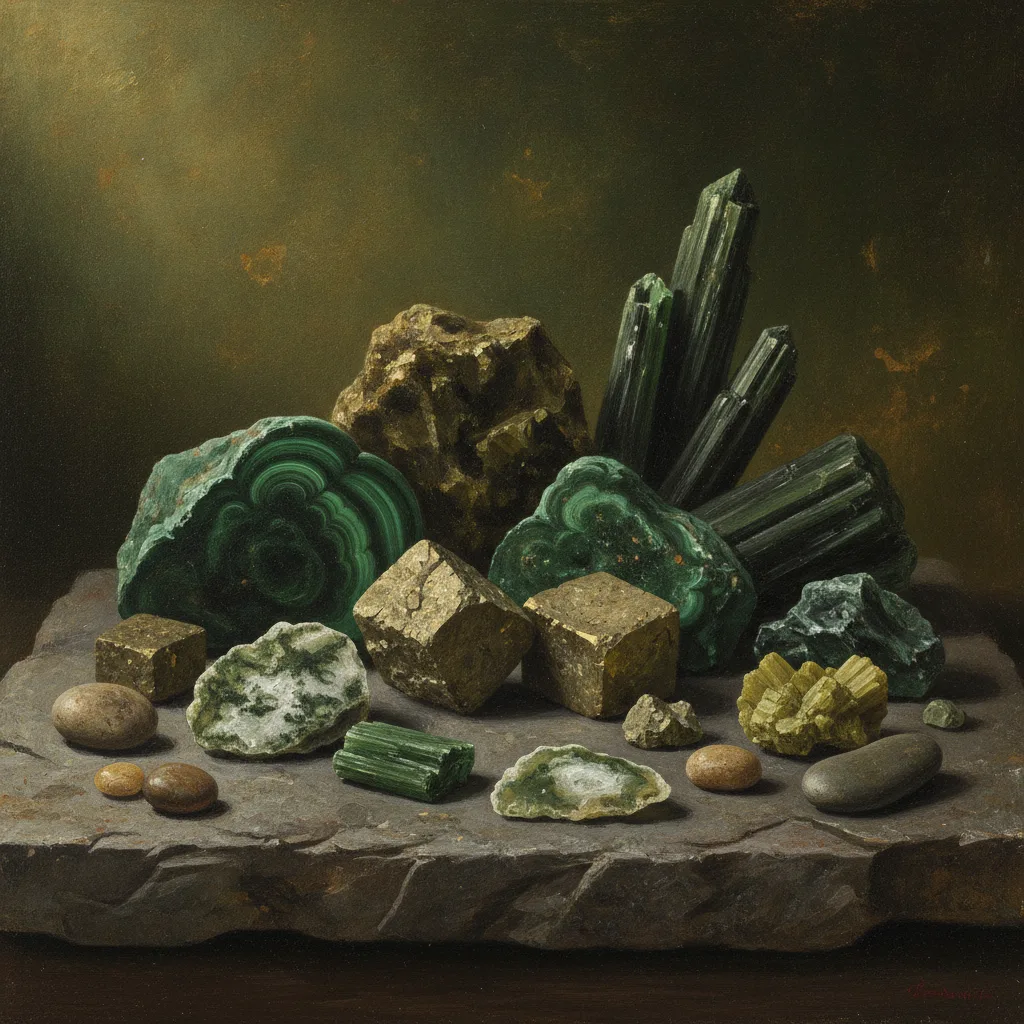
A crystal is a solid whose atoms form a repeating lattice; most popular ‘crystals’ are varieties of common minerals like quartz, coloured by trace elements. They form from cooling magma, hot fluids or in cavities. The trade carries documented human and environmental costs, and ‘ethically sourced’ has no agreed definition.
- A crystal is a mineral with a repeating atomic lattice.
- Quartz varieties differ only by trace impurities and conditions.
- Crystals form from magma, hydrothermal fluids or in cavities.
- Madagascar mining carries documented human and environmental costs.
- ‘Ethically sourced’ is unregulated; ask for named localities.
A crystal on a shelf is, first and last, a piece of the Earth’s chemistry — a mineral that grew atom by atom under specific conditions of heat, pressure and time, and that travelled a long and often troubling supply chain to reach a shop. This article is about that reality: what crystals actually are as minerals, how and where they form, and the labour and environmental questions bound up in the trade. It makes no health, healing or wellness claims of any kind, and none should be read into it. This is geology and provenance, not therapy.
What a crystal actually is
A crystal is a solid whose atoms are arranged in a repeating, orderly, three-dimensional pattern — a lattice. That internal order is what produces the flat faces and sharp angles we recognise; the shape is the outward sign of the atomic geometry inside. Most of the popular “crystals” are varieties of a small number of common minerals, coloured or shaped differently by trace elements and growing conditions.
Quartz is the clearest example. Chemically it is just silicon dioxide, SiO₂ — one of the most abundant compounds in the Earth’s crust. Clear quartz, rose quartz, amethyst, citrine and smoky quartz are all the same mineral; the differences come from tiny impurities and from natural radiation. Amethyst, for instance, is quartz coloured purple by traces of iron that have been altered by natural irradiation from the surrounding rock over long periods. Heat that same iron-bearing quartz and the colour can shift toward the yellow of citrine — which is why a good deal of commercial “citrine” is heat-treated amethyst, a fact reputable sellers disclose.
How they form
Minerals crystallise wherever the right ingredients are held in the right conditions long enough. Three broad settings account for most specimens.
- From molten rock (igneous). As magma cools slowly deep underground, minerals crystallise out of it. Where cooling is very slow, as in pegmatites, crystals can grow to great size — this is the origin of many large quartz, feldspar, tourmaline and beryl specimens.
- From hot fluids (hydrothermal). Superheated, mineral-rich water circulates through cracks and cavities and deposits crystals as it cools. Many quartz veins form this way.
- In cavities and geodes. The classic amethyst geode forms in gas bubbles trapped in volcanic basalt: over millions of years, silica-rich groundwater seeps into the hollow and crystallises layer by layer on the walls. The world’s great amethyst deposits lie in the Paraná Basin flood basalts of southern Brazil and Uruguay — vast lava flows laid down as the supercontinent Gondwana broke apart. Uruguayan amethyst from the Artigas region is prized for its deep colour.
Other familiar stones tell other stories: metamorphic heat and pressure produce garnet and some jades; evaporating mineral-rich water grows selenite and halite; and the banding in agate records the slow, rhythmic filling of a cavity. Reading a specimen for how it grew is a genuine and rewarding kind of literacy.
Where they come from — and who pays
Here the shelf gets complicated. Crystals are dug out of the ground by real people, often in conditions that the serene, back-lit product photography never shows. Madagascar is one of the largest sources of the decorative-crystal trade — vast quantities of rose quartz, amethyst, tourmaline, citrine, labradorite and carnelian come from it — yet it remains one of the poorest countries on Earth, and much of the mining is artisanal and informal.
The human cost is documented. Reporting on Madagascar’s crystal mining has found miners earning on the order of two to three US dollars a day, sometimes selling a large crystal for less than a dollar. Child labour is widespread in the country’s mining sector: estimates cited in reporting put the number of children working in mines in Madagascar in 2021 at around 85,000. In villages built on rich deposits, hand-dug pits collapse; in one much-reported rose-quartz mining area, workers have been buried by landslides. These are not incidental problems at the edge of the trade; for some popular stones they are close to its centre.
Environmental costs travel alongside the human ones: unregulated pits cause deforestation, erosion and water contamination, and the polishing stage exposes workers to rock dust and chemical fumes. Because artisanal stones pass through many hands between pit and shop, the chain is often opaque even to the retailer selling them.
The problem with the word “ethical”
Shops increasingly label crystals “ethically sourced,” and it is worth knowing how little that phrase is guaranteed to mean. Unlike diamonds or some metals, the decorative-crystal trade has no widely accepted definition of ethical sourcing and no independent body that audits and certifies it. In practice, each seller defines the term for themselves. That does not make every claim empty — some sellers genuinely know their mines and pay fairly — but it does put the burden of scrutiny on the buyer.
If provenance matters to you, a few questions separate a considered seller from a marketing one:
- Do they name the country and, ideally, the mine or region? “Brazil” is a start; a named locality is better.
- Can they say anything concrete about the miners and conditions? Vague reassurance is not the same as knowledge of the chain.
- Are treatments disclosed? Heat-treated, dyed or irradiated stones are common and legitimate, but should be stated.
- Do they favour minerals mined under regulated conditions? Some sellers deliberately stock stones from countries and operations with stronger labour and environmental oversight.
Buying second-hand or vintage specimens, or choosing common minerals from well-regulated sources, are practical ways to reduce the harm attached to a purchase.
Looking at stones honestly
None of this need spoil the pleasure of minerals. A quartz point or an agate slice is a genuine marvel — a record of deep time and specific chemistry, formed by processes that dwarf human history. That is reason enough to find them fascinating, and it is a firmer footing than any claim they cannot support. Enjoy them as what they demonstrably are: beautiful, orderly pieces of the planet, carrying a story that includes both their formation and the hands that dug them out. To collect them well is to keep both halves of that story in view.
Frequently asked questions
What is a crystal, mineralogically?
A solid whose atoms are arranged in a repeating, orderly, three-dimensional lattice. That internal order produces the flat faces and sharp angles we recognise. Many popular crystals are varieties of a few common minerals.
What is amethyst made of and why is it purple?
Amethyst is quartz, silicon dioxide (SiO2). Its purple colour comes from traces of iron altered by natural irradiation from the surrounding rock over long periods. Heating iron-bearing quartz can shift the colour toward citrine yellow.
Where do most decorative crystals come from?
Brazil and Uruguay dominate for amethyst geodes, formed in volcanic basalt of the Paraná Basin. Madagascar is a major source of rose quartz, amethyst, tourmaline, citrine, labradorite and carnelian.
Are there ethical problems in the crystal trade?
Yes. Reporting on Madagascar has documented miners earning around two to three dollars a day, widespread child labour in the mining sector, and deaths from collapsing pits, alongside deforestation and water contamination.
Does 'ethically sourced' guarantee anything?
Not by itself. The decorative-crystal trade has no widely accepted definition of ethical sourcing and no independent certifying body, so each seller defines the term for themselves. Ask for named provenance and disclosed treatments.
