Say It Right: Bean Sídhe (Banshee)
How to say Bean Sídhe — "ban-SHEE," the Irish behind "banshee": literally the woman of the fairy mound.
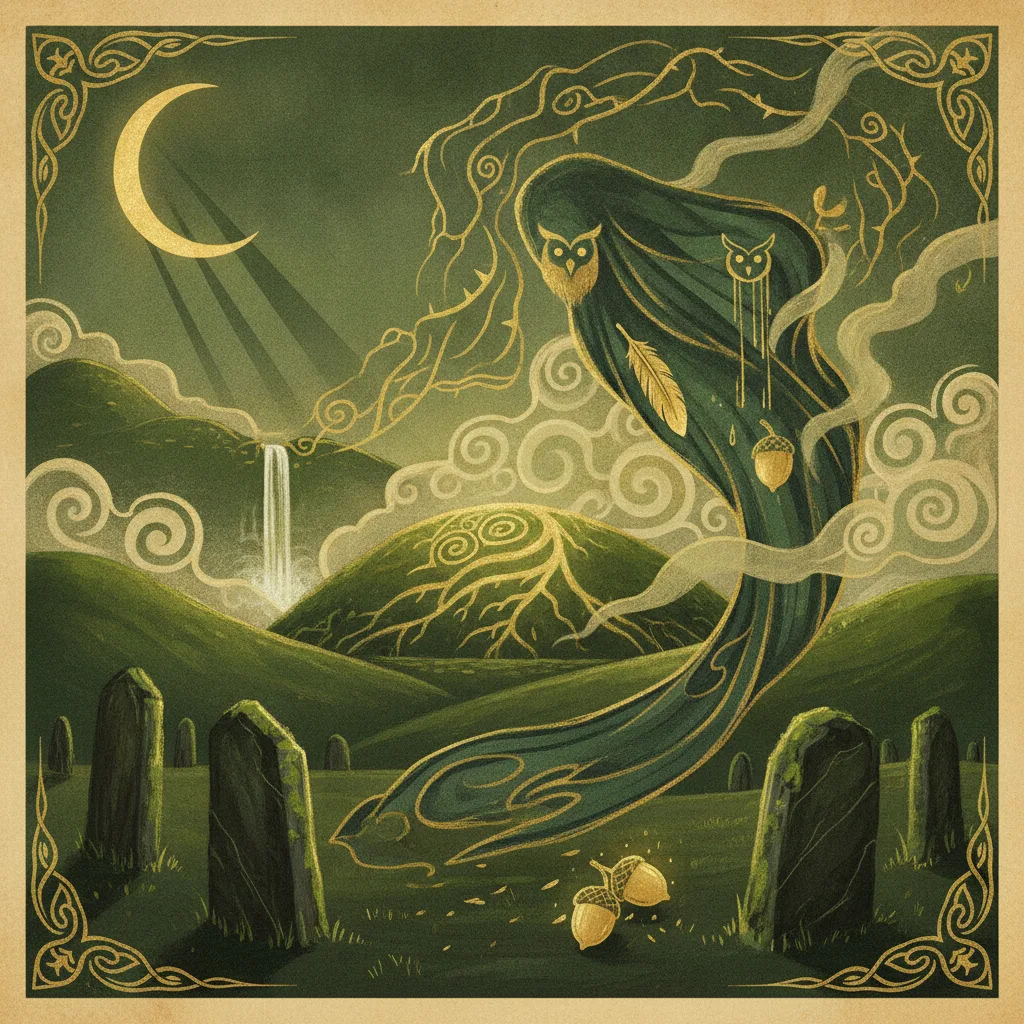
Bean sídhe - the Irish behind the English 'banshee' - is said much the same way: 'ban-SHEE.' Bean means 'woman' (a short 'a') and sídhe is 'shee.' Together it means 'woman of the fairy mound,' an Otherworld woman whose keening cry was said to foretell a death, especially in old Gaelic families. It entered English in the eighteenth century.
- Bean sídhe is pronounced 'ban-SHEE,' the same as the English 'banshee.'
- Bean means 'woman' (short 'a'); sídhe is 'shee' - literally 'woman of the fairy mound.'
- Avoid 'bean' like the vegetable or 'SID-hee' for sídhe.
- In folklore she is a mourner whose keen foretells a death, not a monster.
- It entered English in the eighteenth century; the Scottish Gaelic cousin is bean shìth.
You already say most of this one every October. Bean sídhe is the Irish behind the English word banshee, and it is said much the same: “ban-SHEE.” The first part, bean, means “woman” and is said “ban” (a short “a”); the second, sídhe, is our familiar “shee.”
Put together, bean sídhe means literally “woman of the síd” — a woman of the fairy mound, an Otherworld woman. In folklore she is the keening spirit whose mourning cry, heard at night, was said to foretell a death in the family — especially, in some traditions, among the old Gaelic families.
Because the anglicised “banshee” is so familiar, the mistakes tend to come when people meet the Irish spelling and overthink it — saying “bean” like the vegetable, or “SID-hee” for sídhe. Neither is right. Bean rhymes roughly with “ban,” and sídhe is “shee,” exactly as in the standalone word.
Mispronunciations to avoid: “bean (the food) SID-hee,” “BAN-shy,” and “bane-shee.” Keep it “ban-SHEE.”
Where it comes from: Irish bean (“woman”) + sídhe (“of the fairy mound”); the Scottish Gaelic cousin is bean shìth. It entered English as “banshee” in the 18th century.
A memory trick: you already know the answer — it is just “banshee,” said the way you always have. The Irish spelling only makes the two building blocks visible: bean (woman) + sídhe (of the mound).
In the older tradition the bean sídhe is less a monster than a mourner. Her keen — the caoineadh, the ritual lament once raised over the dead by living keening-women — is heard on the wind before a death, a grief that arrives ahead of its cause. Certain long-established Gaelic families were said to have their own attendant bean sídhe, and her cry was taken as a solemn announcement rather than an attack.
Knowing that sídhe is the same “shee” found in Sidhe and aos sí ties a whole cluster of terms together in your ear at once. The Scottish Gaelic cousin, bean shìth, works exactly the same way. So when the anglicised “banshee” turns up in a film, you can hear the real Irish sitting quietly inside it: the woman of the fairy mound, come to mourn.
