Autumn and winter layering: natural fibres and old dyes
Layering for autumn and winter the folkloric way: wool, linen and hemp as real cold-weather tech, and the madder, woad and weld dyes behind the palette.
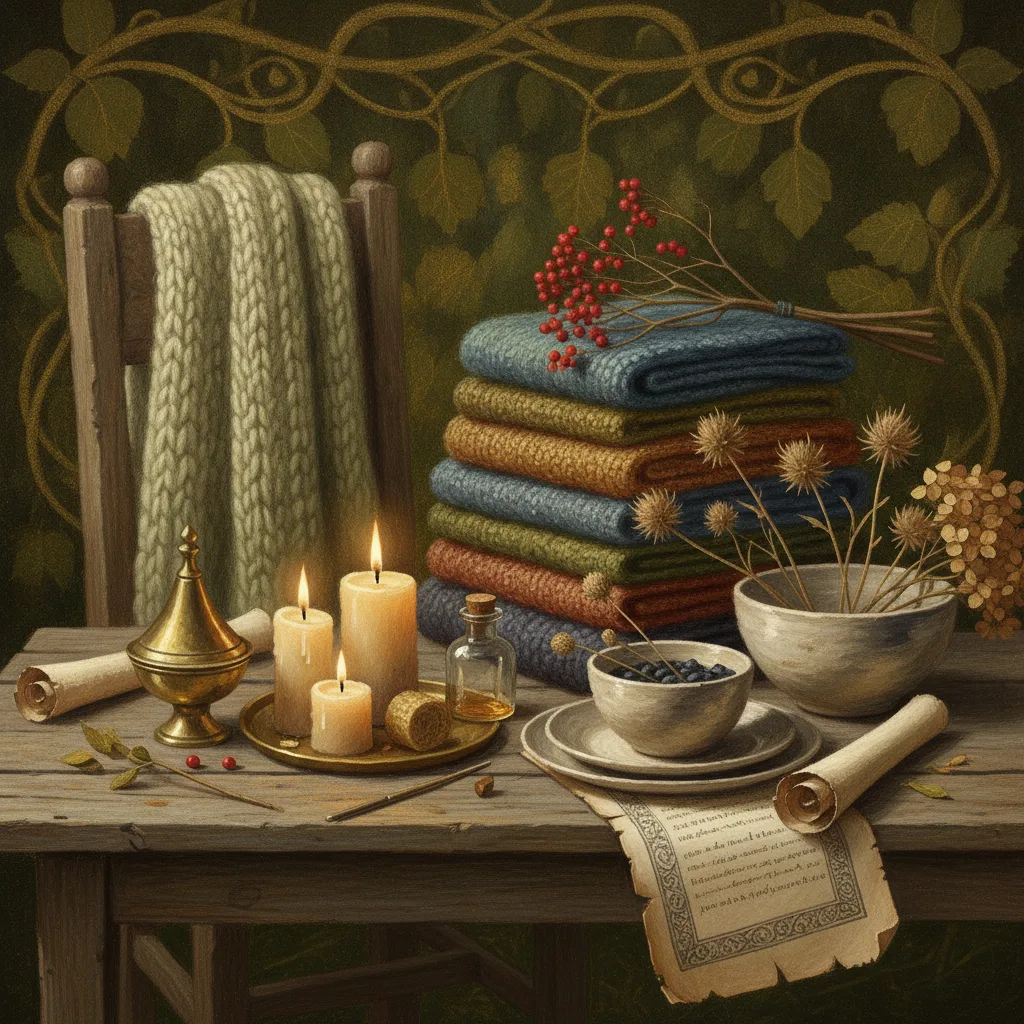
Dress for cold the folkloric way through fibre, not symbols. Wool insulates even when damp; linen and hemp make the crisp base layer. Layer base, mid and weatherproof outer, adding a shawl or cloak. The folk palette comes from madder reds, woad blues and weld yellows. Buy naturally dyed pieces maker-first and care for them so they last.
- Wool insulates even when damp; linen and hemp form the base.
- Layer base, mid and a wind- and rain-shedding outer.
- Folk colours are madder red, woad blue and weld yellow.
- Madder dates to Egypt c.2000 BC; these dyes are lightfast.
- Wash wool cool, dry flat, store clean against moth larvae.
When the year turns cold, a wardrobe rooted in folklore has a real advantage over a costume: the old materials were cold-weather materials, developed over centuries by people who genuinely needed to stay warm and dry in a northern climate. Dressing for autumn and winter the folkloric way is less about symbols and more about fibre, weave and colour, the actual technology of keeping warm before central heating. Get the materials right and the look follows, without a single mass-produced “witchy” print.
Why natural fibres, honestly
The case for wool, linen and their relatives in cold weather is practical, not romantic. Wool is the great cold-weather fibre: it insulates, sheds water, and stays warm even when slightly damp, because its crimped structure traps air and its fibres manage moisture. It is the reason people in these islands could work outdoors through the winter at all. Linen and hemp, spun from flax and hemp stems, are cooler and more structural, better as the crisp layer against the skin or as a shirt beneath wool, and they soften and improve with every wash rather than wearing out. This is the honest folkloric wardrobe: not a theme, but the clothing system a pre-industrial northern household actually relied on.
Layering the way it actually worked
The old approach to cold was layering, and it still outperforms a single heavy coat. Build from the skin outward:
- Base: linen or fine wool against the skin, breathable and moisture-managing.
- Mid: the warmth layer, knitted wool, a heavier weave, a waistcoat or a thick jumper, where most of the insulation lives.
- Outer: tightly woven or felted wool to break the wind and shed rain. Felted and heavily fulled wools are near weatherproof and are the traditional outdoor cloth of these islands.
- Accessories: a wool shawl, a large scarf, or a hooded cloak or cape does an enormous amount of work and is genuinely traditional outerwear, not fancy dress, if you choose an honest cloth and a plain cut.
The look this produces, layered natural textures in earthy colours, is exactly the “folkloric” aesthetic people chase with printed polyester, arrived at the real way. We set out the year-round version of this in a witchy wardrobe that isn’t a costume, and the autumn-winter layers slot straight into that capsule.
The old dyes, and what they really give you
The colours that read as “folk” or “witchy” are, more often than not, the colours that traditional plant dyes actually produce, so choosing naturally dyed pieces gets you the palette honestly. Three European dye plants do most of the historical work, and they have been in use for thousands of years:
- Madder (from the root of Rubia tinctorum) gives the warm reds, rusts and terracottas. It is one of the oldest dyestuffs known, with madder-dyed textiles found in Egypt from around 2000 BC. The plant needs two to four years in the ground before the root yields its rich, lightfast red, which is part of why good madder red was valued.
- Woad, and later true indigo, gives the blues, from soft slate to deep denim. Woad was the native European blue long before imported indigo arrived.
- Weld (Reseda luteola) gives the clear yellows and, over-dyed on woad, the greens. It has a very long history, the Romans used it, and it is the most lightfast of the traditional yellows.
Because all three come from the same limited earth palette, naturally dyed pieces sit together harmoniously almost automatically, which is exactly why a plant-dye wardrobe looks coherent. And these are not fragile colours: on wool and other protein fibres, madder, woad and weld all give genuinely good light- and wash-fastness. We tell the same dye story from the interiors side in the folkloric home in ceramics and textiles.
A brief honesty check on the dyes worth making, since it is often overstated: not every “natural” colour is soft and muted. Madder can be a genuinely strong, warm red, and indigo a deep, saturated blue, so the idea that plant dyes only ever produce faded, dusty tones is a modern misconception. What they share is not weakness but harmony, because they draw on the same earth-based chemistry. Buy naturally dyed pieces for coherence and longevity, then, not because they are pale.
Buying it, maker-first
The honest way to assemble this is slowly and from real makers. A heavy jumper or cardigan from a small knitwear producer or an independent knitter; a felted or woven wool cloak, cape or coat from a small weaving mill; linen shirts and dresses from a small maker who works in natural fibre; a plant-dyed wool shawl or scarf from an independent dyer. Look for undyed, “natural” fleece shades too, the creams, greys, moorit browns and near-blacks of the sheep themselves, which need no dye at all and are as folkloric as any colour on the wheel.
One piece of jewellery does more than a pattern ever will. A single well-made brooch, cloak-pin or torc from a metalworker, whose motif you actually understand, finishes the layered look. Choose it knowing its history rather than its marketing; our guide to folklore-motif jewellery lays out which motifs are genuinely old and which are revival.
Caring for it, so it lasts decades
The whole point of buying natural and made is longevity, and these fibres reward a little knowledge.
- Wool: wash cool and gentle and dry flat, because heat, moisture and agitation together felt the fibres permanently. The real enemy in storage is the clothes-moth larva, not the adult, so store woollens clean (larvae are drawn to food, sweat and skin traces), keep drawers aired, and use cedar, lavender or rosemary rather than mothballs.
- Linen and hemp: hardy and forgiving. Wash cool to warm, and they soften with use; keep them out of long, harsh direct sun to protect the colour.
- Plant-dyed pieces: lightfast is not the same as indestructible. Wash gently and dry out of strong sun, and the madder reds and woad blues will hold for years.
Assembled and cared for this way, an autumn and winter wardrobe becomes genuinely folkloric: warm because the materials were engineered by necessity, beautiful because the colours are the real ones the land gives up, and lasting because it was made to be kept. That is a far better thing than a costume, and it gets warmer, and better, every year you wear it.
Frequently asked questions
Why are natural fibres better for cold weather?
Because the old materials were cold-weather technology. Wool insulates, sheds water and stays warm even when slightly damp, since its crimped structure traps air and manages moisture, which is why people in these islands could work outdoors through winter. Linen and hemp, spun from flax and hemp stems, are cooler and more structural, best as the layer against the skin, and they soften and improve with washing rather than wearing out.
How should I layer for autumn and winter?
From the skin outward: a breathable linen or fine-wool base; a knitted-wool mid-layer where most of the warmth lives; a tightly woven or felted wool outer to break wind and shed rain; and accessories such as a wool shawl, large scarf or hooded cloak that do a great deal of work. Felted and heavily fulled wools are near weatherproof and are the traditional outdoor cloth of these islands.
What are the traditional plant dyes behind the folkloric palette?
Three European dye plants do most of the historical work and have been used for thousands of years. Madder root gives warm reds, rusts and terracottas, one of the oldest known dyestuffs, found on Egyptian textiles from around 2000 BC. Woad, and later true indigo, gives the blues. Weld gives clear yellows and, over woad, greens; the Romans used it and it is the most lightfast of the traditional yellows.
Do natural dyes fade quickly?
Not the good ones. On wool and other protein fibres, madder, woad and weld all give genuinely good light- and wash-fastness, and madder in particular is prized for a rich, fade-resistant red. Nor are natural dyes only ever pale; madder can be a strong red and indigo a deep blue. What they share is harmony, because they draw on the same earth-based chemistry, which is why a plant-dye wardrobe looks coherent.
How do I care for wool and linen so they last?
Wash wool cool and gentle and dry flat, because heat, moisture and agitation felt the fibres permanently. Store woollens clean, since clothes-moth larvae are drawn to food and sweat traces, keep drawers aired, and use cedar, lavender or rosemary rather than mothballs. Linen and hemp are hardy: wash cool to warm and keep them out of long harsh direct sun to protect the colour.
